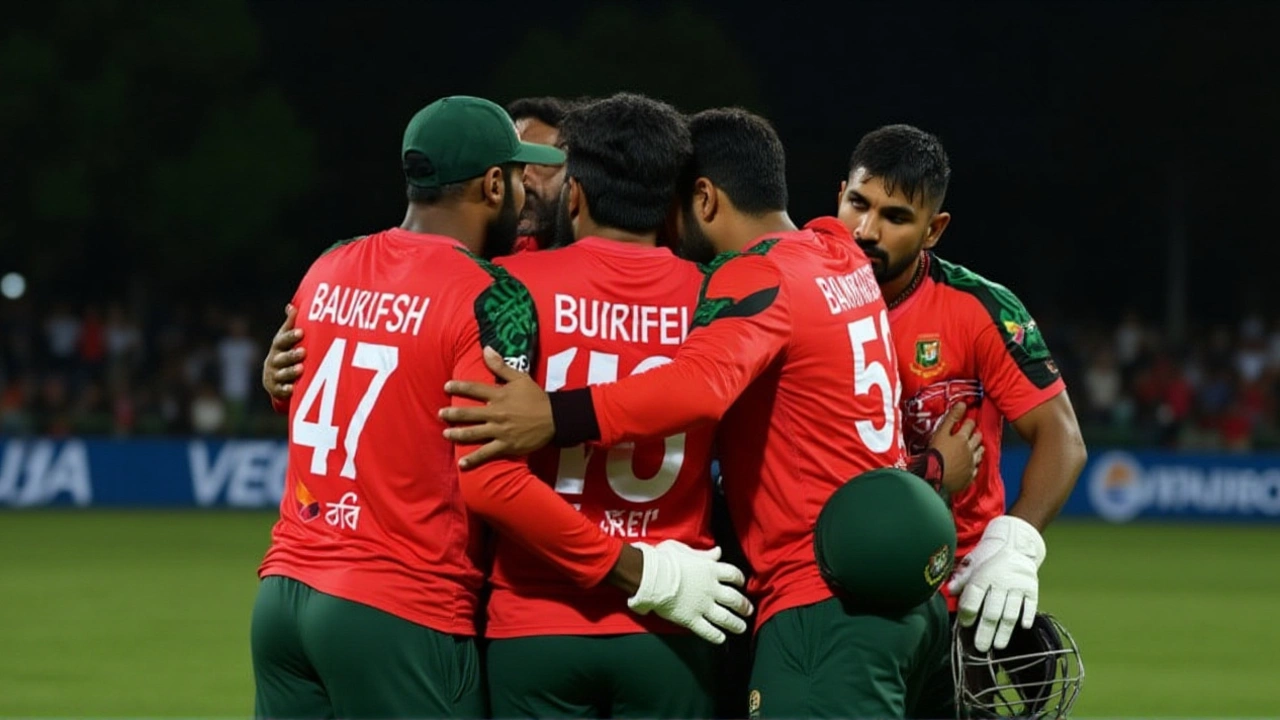
The diplomatic rift between India and Bangladesh has spilled over onto the cricket pitch, with Bangladesh demanding that its upcoming T20 World Cup matches in India be relocated. The Bangladesh Cricket Board (BCB) has formally objected to playing any group stage games on Indian soil, citing security concerns and political tensions.
This isn't just a scheduling hiccup. It’s a high-stakes standoff involving the International Cricket Council (ICC), which has already rejected the request. If Bangladesh refuses to travel, they risk being expelled from the tournament entirely. Here’s how a diplomatic dispute turned into a cricketing crisis.
The Core Dispute: Security vs. Sovereignty
The tension boils down to safety. The BCB argues that the current political climate makes it unsafe for their squad to tour India. They’ve asked the ICC to move all four of their group stage matches—originally scheduled across various Indian cities—to Sri Lanka, the co-host of the 2026 edition.
But the ICC isn’t budging. In a firm statement, the governing body clarified that no changes would be made to the tournament schedule. Their logic is straightforward: other teams are playing in India without incident, so there’s no unique threat to the Bangladeshi side. The message was clear—play in India or don’t play at all.
It’s a tough pill to swallow for Dhaka. With the tournament kicking off on February 7, 2026, time is running out. The BCB is now caught between honoring international sporting obligations and appeasing domestic political pressures.
The Mustafizur Rahman Factor
But wait—there’s more to this than just geopolitics. The spark may have been lit by a controversial decision regarding star fast bowler Mustafizur Rahman.
Reports indicate that Kolkata Knight Riders released Rahman from their squad for the 2026 Indian Premier League (IPL), following directives from the BCCI. While the exact reasons remain hazy, the BCB viewed this as a slight. They subsequently announced that Bangladeshi players would boycott the IPL moving forward.
This retaliation escalated quickly. What started as a player release became a symbol of broader disrespect in the eyes of the BCB. Now, they’re leveraging the World Cup schedule to send a louder message. Oddly enough, one player’s contract status could cost an entire nation its spot in the biggest T20 event.
Diplomatic Tensions Deepen
To understand why cricket matters so much here, you have to look at the politics. Relations between New Delhi and Dhaka have soured significantly since late 2025. On December 23, 2025, both nations summoned each other’s ambassadors for consultations—the second such meeting in a week.
India raised concerns about attacks on Hindu minorities and threats to Indian diplomatic missions in Bangladesh. Bangladesh, in turn, protested certain Indian policies. This diplomatic freeze created an atmosphere where sporting exchanges felt politically charged rather than neutral.
Earlier reports from January 3, 2026, suggested that bilateral series scheduled for September—including three ODIs and three T20s—were already under threat. Now, those fears have materialized into a full-blown World Cup standoff.
What Happens Next?
The clock is ticking. With the tournament starting in less than two months, the BCB faces a binary choice:
- Comply: Travel to India, accept the security assurances provided by the ICC and local authorities, and compete.
- Defy: Refuse to travel, likely resulting in forfeiture of matches and potential expulsion from the tournament.
If Bangladesh withdraws, Sri Lanka will need to absorb extra fixtures, straining their infrastructure. Meanwhile, fans worldwide will miss out on what should have been a key group stage rivalries. For the ICC, this sets a dangerous precedent: can host nations guarantee safety, or do teams get veto power based on political whims?
For now, the ball is in Dhaka’s court. But given the hardline stance from the ICC, backing down might not be an option unless a diplomatic breakthrough occurs behind closed doors.
Frequently Asked Questions
Why does Bangladesh want its matches moved?
The Bangladesh Cricket Board cites security concerns stemming from heightened diplomatic tensions between India and Bangladesh. They believe the political environment poses risks to their players and staff, prompting the request to relocate matches to Sri Lanka.
Has the ICC agreed to move the matches?
No. The International Cricket Council has firmly rejected the request, stating that the tournament schedule will not change. They emphasized that other teams are playing safely in India and that Bangladesh must participate in India to remain in the competition.
What role did Mustafizur Rahman play in this conflict?
Mustafizur Rahman was released by Kolkata Knight Riders for the 2026 IPL following BCCI directives. The BCB interpreted this as a punitive measure and retaliated by announcing a boycott of the IPL, escalating tensions that eventually impacted World Cup negotiations.
What happens if Bangladesh refuses to play in India?
If Bangladesh declines to travel, they risk being expelled from the T20 World Cup. Their matches would likely be forfeited, affecting the points table and potentially forcing Sri Lanka to host additional games at short notice.
When does the 2026 T20 World Cup start?
The tournament is scheduled to begin on February 7, 2026. It will be jointly hosted by India and Sri Lanka, with Bangladesh originally slated to play all four of its group stage matches in India.