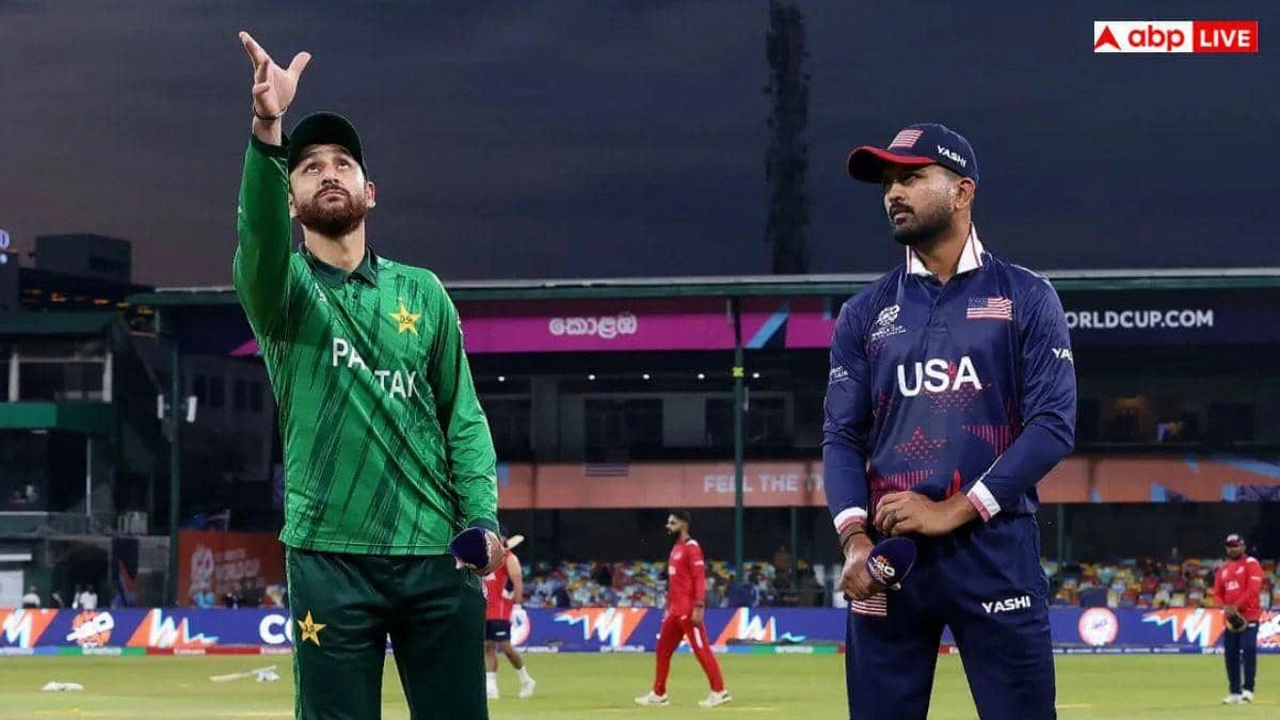
The International Cricket Council (ICC) Men's T20 World Cup 2026 is heating up, and the standings are telling a fascinating story of dominance and heartbreak. As the tournament moves from the group stage into the high-stakes Super 8 stageIndia and Sri Lanka, fans across the globe are glued to their screens, tracking every run and wicket.
Here’s the thing: it’s not just about who won yesterday. It’s about net run rates, tie-breakers, and the sheer pressure of elimination cricket. With the final scheduled for March 8 in either Ahmedabad or Colombo, the race for glory has never been tighter.
Group Stage Recap: Dominance and Disappointment
The initial group stage, played between February 7 and February 20 across eight venues, set the tone. The structure was simple but brutal: four groups of five teams, with each side playing four matches. Two points for a win, one for a tie or no result, zero for a loss. If you’re tied on points, net run rate (NRR) decides your fate. And if that’s tied? Head-to-head records come into play.
In Group A, India was simply unstoppable. They finished top with a perfect record: 4 wins from 4 matches, accumulating 8 points and a staggering NRR of +2.500. ESPN’s detailed stats show India scored 738 runs off 80 overs while conceding only 538. That’s efficiency at its finest.
Pakistan followed closely in second place with 6 points (3 wins, 1 loss) and an NRR of +0.976. The much-anticipated clash between these two rivals on February 15 in Colombo added extra spice, though Pakistan couldn’t quite match India’s consistency. The USA secured third with 4 points, while Netherlands and Namibia struggled, finishing with 2 and 0 points respectively.
Group B saw a surprise package emerge. Zimbabwe topped the table with 7 points (3 wins, 1 no-result), boasting an impressive NRR of +1.506. This performance earned them a crucial spot in the Super 8s, proving that underdogs can bite when given the chance.
Meanwhile, in Group D, South Africa mirrored India’s perfection. They won all four matches, racking up 8 points and an NRR of +1.943. New Zealand took second place with 6 points and an NRR of +1.227. Afghanistan, UAE, and Canada rounded out the group, with Canada failing to secure a single win.
Super 8 Stage: The Pressure Cooker Begins
From February 21 onwards, the tournament entered its knockout phase. The top two teams from each group advanced to the Super 8s, divided into two new pools. Only the top two from each Super 8 group would reach the semi-finals. The stakes? Sky-high.
In Super 8 Group 1, South Africa continued their relentless form. After three matches, they sat comfortably at the top with 6 points and an NRR of +2.259. Their batting firepower was evident; ESPN noted they had scored 364 runs off just 36.1 overs in their first two Super 8 games.
India, however, faced a tougher challenge. They finished second in this group with 4 points (2 wins, 1 loss) and a slender NRR of +0.106. It wasn’t the dominant display seen in the group stage, but enough to keep their dreams alive. West Indies managed 2 points, while Zimbabwe were eliminated without a win, suffering a dismal NRR of -3.415.
Super 8 Group 2 told a different story. England looked like champions-in-waiting, winning all three matches to finish with 6 points and an NRR of +1.096. But the real drama unfolded below them.
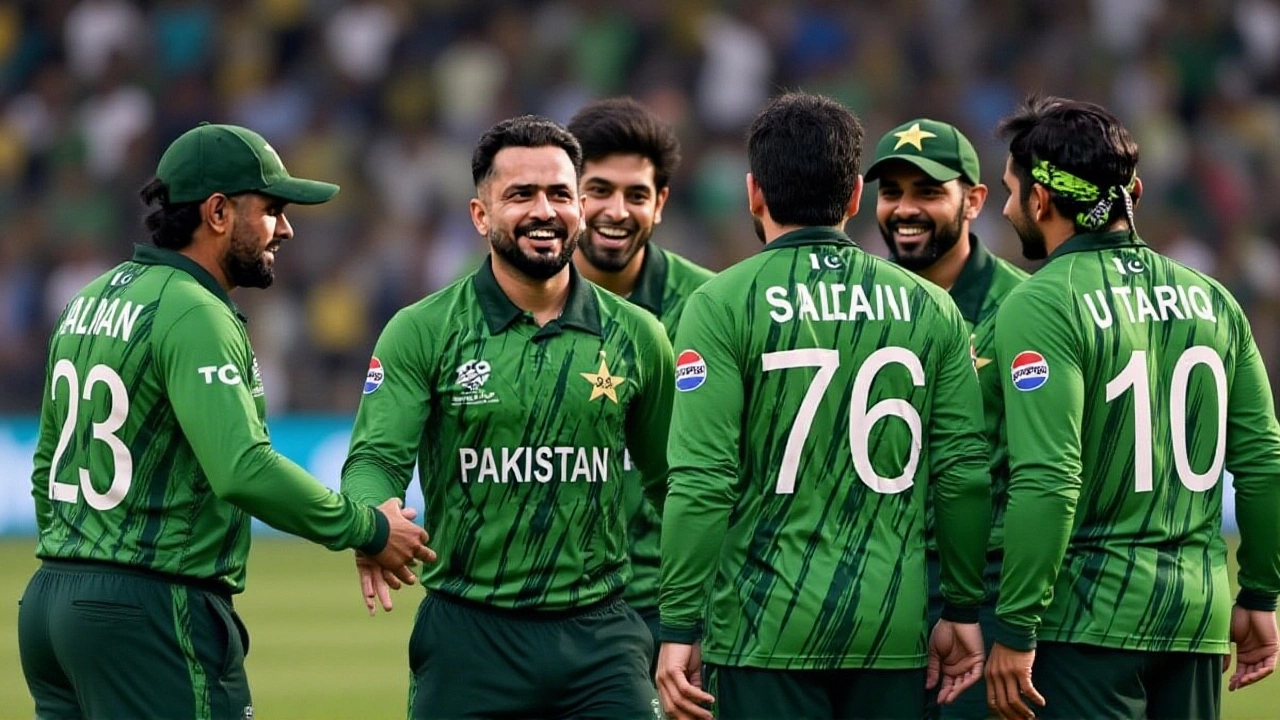
New Zealand and Pakistan both ended with 3 points. Here’s where it gets tricky. New Zealand had 1 win, 1 loss, and 1 no-result, giving them an NRR of +1.390. Pakistan also had 1 win, 1 loss, and 1 no-result, but their NRR was negative at -0.123. That tiny decimal difference meant New Zealand qualified for the semi-finals, while Pakistan’s campaign came to an abrupt end. Sri Lanka, meanwhile, remained winless with 0 points and an NRR of -1.950.
What Does This Mean for the Knockouts?
The implications are clear. South Africa and England enter the semi-finals as favorites, riding waves of confidence and statistical superiority. India and New Zealand have work to do, needing to elevate their performances against stronger opposition.
Cricket analysts point out that net run rate often becomes a double-edged sword. While it rewards aggressive batting, it can also punish teams that lose by narrow margins. For instance, Pakistan’s negative NRR despite having the same number of points as New Zealand highlights how close calls can derail a tournament.
The semi-finals are set to be held in Kolkata or Colombo, and Mumbai. These venues offer distinct challenges—pitch conditions, crowd support, and weather patterns all play a role. The final on March 8 promises to be a spectacle, regardless of who makes it there.
Key Takeaways for Fans
- Points System: 2 for a win, 1 for tie/no-result, 0 for loss.
- Tie-Breakers: Net Run Rate (NRR) is king, followed by head-to-head results.
- Top Performers: India and South Africa dominated their respective groups with perfect records.
- Surprise Packages: Zimbabwe’s rise to the top of Group B was unexpected but well-deserved.
- Elimination Drama: Pakistan’s exit due to NRR underscores the importance of margin of victory.
As we look ahead, one question remains: Can anyone stop South Africa and England? Or will India and New Zealand mount a comeback? The next few weeks will decide the champion of the T20 World Cup 2026.
Frequently Asked Questions
How are teams ranked in the T20 World Cup 2026?
Teams are primarily ranked by total points earned, with two points awarded for a win and one for a tie or no result. If teams are tied on points, Net Run Rate (NRR) is used as the primary tie-breaker. If NRR is also identical, head-to-head results between the tied teams determine the ranking.
Who qualified for the Super 8 stage from Group A?
India and Pakistan qualified from Group A. India topped the group with 8 points from 4 wins, while Pakistan secured second place with 6 points from 3 wins and 1 loss. Both teams advanced to compete in the Super 8 stage starting February 21.
Why did Pakistan get eliminated despite having 3 points in Super 8 Group 2?
Pakistan finished level on points with New Zealand (3 points each) in Super 8 Group 2. However, New Zealand had a positive Net Run Rate (+1.390) compared to Pakistan’s negative NRR (-0.123). Since NRR is the deciding factor when points are equal, New Zealand qualified for the semi-finals, eliminating Pakistan.
When and where will the T20 World Cup 2026 final be held?
The final of the T20 World Cup 2026 is scheduled for March 8, 2026. The venue will be either Ahmedabad in India or Colombo in Sri Lanka, depending on the progression of teams through the semi-finals. The semi-finals themselves will take place in Kolkata/Colombo and Mumbai.
Which team performed best in the group stage?
India and South Africa delivered the best performances in the group stage, both achieving perfect records with 4 wins from 4 matches. India topped Group A with an NRR of +2.500, while South Africa led Group D with an NRR of +1.943, demonstrating consistent dominance throughout the initial phase.